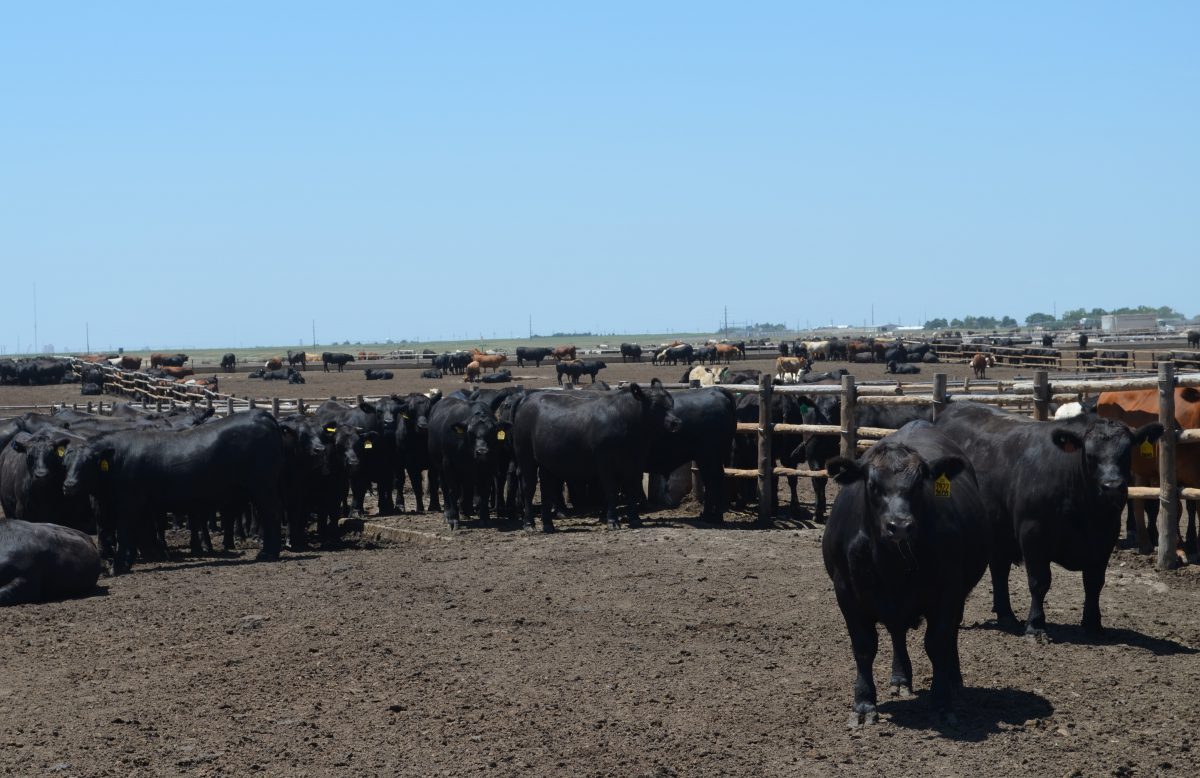
Placements of cattle into U.S. feedlots fell sharply in August.
The USDA says placements of 1.617 million head were below pre-report estimates, dropping 9% on the year because of lower supplies, high feed costs, and ongoing drought in some of the major feeding areas. That’s the lowest placements total for August since the series of reports started in 1996.
Marketings were a little bit above expectations at 1.519 million head but still 3% below a year ago due to a lack of available ready numbers.
Still, the number of cattle on feed in the U.S. on September 1st was up 1% at 11.163 million head, implying an increase in ready numbers in coming months.
The tight near-term supplies should be supportive to prices, but that also depends on demand and outside market factors.
Comparisons for select states:
Iowa: On Feed: 670,000 head, down 3% from September 1st, 2025; Placements: 61,000 head, 6% lower than August of last year; Marketings: 59,000 head, 6% less than a year ago
Kansas: On Feed: 2.32 million head, down 1% from September 1st, 2025; Placements: 440,000 head, 7% lower than August of last year; Marketings: 370,000 head, 4% less than a year ago
Nebraska: On Feed: 2.47 million head, up 2% from September 1st, 2025; Placements: 410,000 head, 14% lower than August of last year; Marketings: 400,000 head, 6% less than a year ago
South Dakota: On Feed: 205,000 head, up 5% from September 1st, 2025; Placements: 20,000 head, 29% lower than August of last year; Marketings: 23,000 head, 5% more than a year ago
EDITOR’S TAKE:
In other words, don’t expect beef prices at the retail level to subside anytime soon. Even though cattle on feed were up slightly on September 1st, the replacement rates continue to disappoint. And let’s be honest, the import of beef from other countries is not popular with U.S. cattle producers and won’t really do much to lower prices in the grocery stores or restaurants. Cattle cycles are long enough as they are, but lower placements back into the herd will only serve to make any recovery even longer.
What does all this mean for your dealership? Short supply coupled with high consistent demand equals excellent returns for beef producers. Put them at the very top of your customer prospect list.