Calls continue for additional farmer funding as USDA opens enrollment for the Farmer Bridge Assistance Program for specialty crop producers. The program provides more than $1.6 billion in revenue assistance based on 2025 planted acres and covers nearly 270 specialty crops.
U.S. Senate Ag Committee member Elissa Slotkin of Michigan says Congress needs to provide additional relief. “I’m going to certainly advocate with Brooke Rollins and with the USDA in general for more help for our specialty crop farmers or else some of them just won’t be here,” she shares. “These are small and medium-sized farms. If we want to make these things in America going forward, we need to help our farmers by providing more assistance.”
National Potato Council’s Kam Quarles agrees. “We made calls to the President and to USDA back in February, and based on what rolled out today, there’s still a call for Congress to address those issues.”
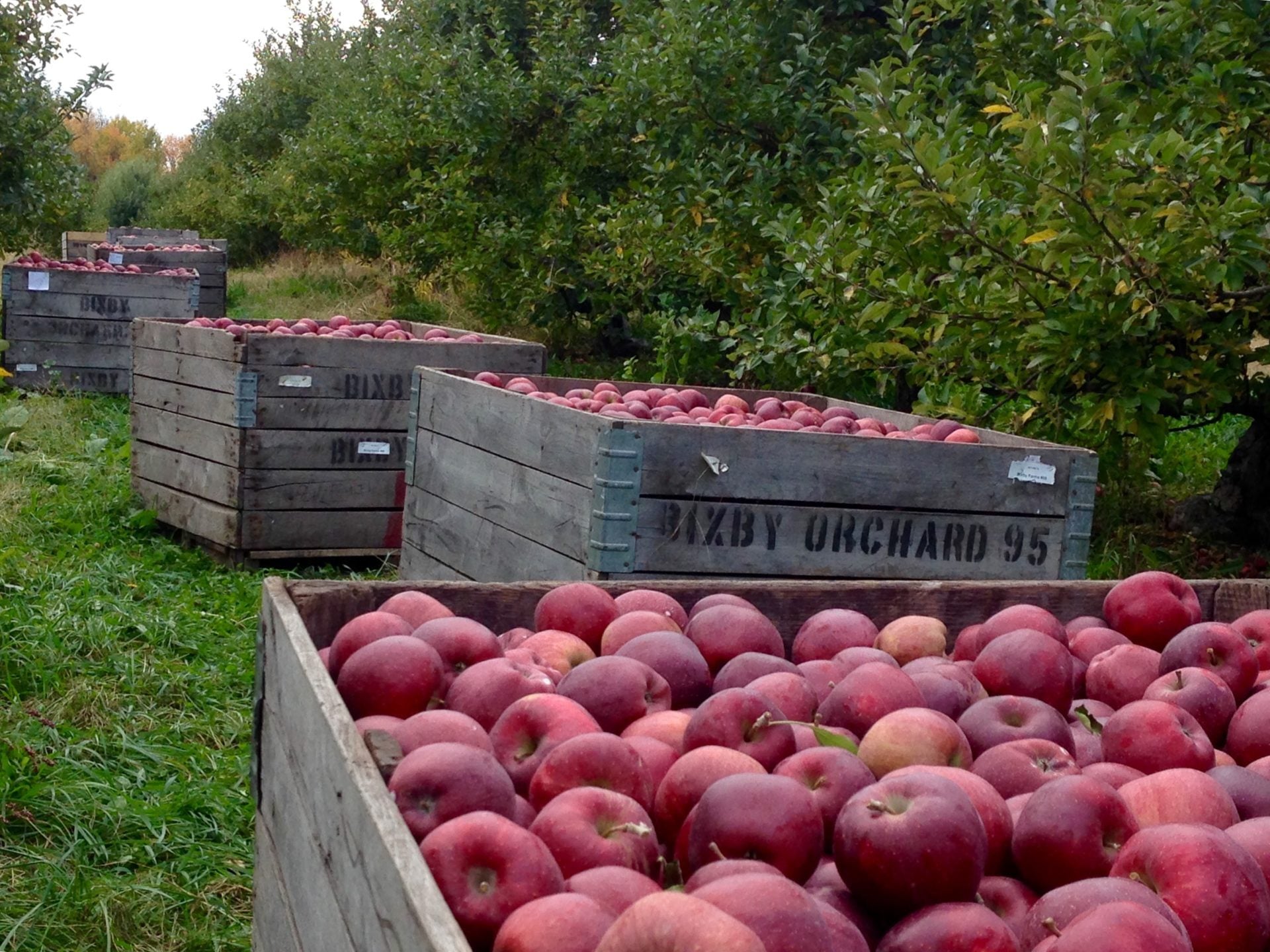
Economist Danny Munch with the American Farm Bureau Federation says USDA’s 1.625 billion dollars for specialty crop assistance is higher than the expected one billion, but he says the one payment per acre model might not reflect some of the production differences. Munch uses apples as an example. “You have vertical spindle operations that are spending 45-55 thousand dollars per acre on those high-yield systems. They’re getting the same payment as a traditional older orchard that is set up in trees that might not have the same yield.”
Munch says several specialty crops were also left out of USDA’s assistance program. “Floriculture, nursery crops, herbs, Christmas trees, maple syrup, they don’t qualify for the program as well as acreage grown in controlled environments, including greenhouses. If you were growing those crops inside a greenhouse, apart from mushrooms, they’re left out of the program as well.”
USDA has distributed more than $9.7 billion of the $11 billion in assistance dedicated to 20 types of row crops.
Acreage that is reported as a cover crop, prevented planted, or with an intended use of grazing, left standing, green manure, silage, forage, volunteer, or experimental will not be used to determine program payment according to USDA. Specialty crops grown in a controlled environment are also not eligible, except for mushrooms.
EDITOR’S TAKE:
Specialty crops are often the forgotten child in the commodity family. The current system of determining payments may not be perfect, but it is a start! There are so many different types, and most are small but highly concentrated acreages. And most do not have lobbying resources that say corn, soybeans, cotton or other major commodities might possess. Coming from a state where they have many specialty crops, it is comforting to know that they will get some relief from all the funding USDA has available.
Rest assured that those specialty crop producers will want to purchase new trucks as well. You might start by offering farmers in your area an oil change special to attract them in. Once they are at your dealership, be sure to point out that you are a CAD member and remind them about all the special programs and services you can offer because of being a CAD member that the competitor down the street cannot.