

USDA's Economic Research Service (ERS) releases farm income statement and balance sheet estimates...
How the Cattle Industry Is Reacting to USDA’s Mexican Border Reopening
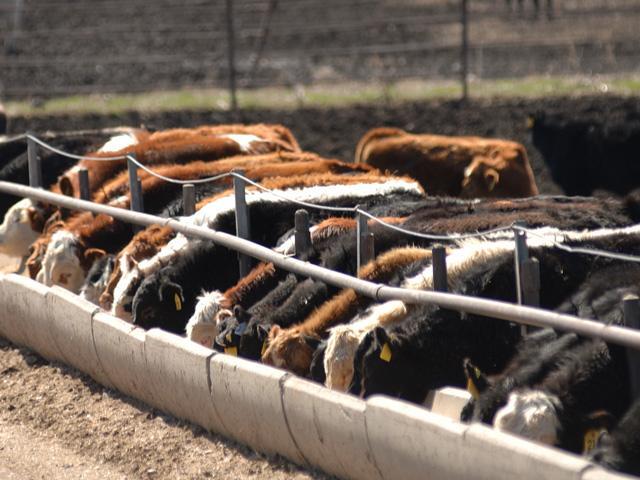
USDA recently announced that it plans to begin a phased reopening of southern ports for livestock trade in August.
The importation of cattle from Mexico to the U.S. — which was halted in May 2025 due to the spread of New World Screwworm (NWS) — is scheduled to begin with the reopening of the Douglas, Arizona, port of entry to livestock trade on August 24, 2026, according to a USDA press release. Following that port’s reopening, the department plans to consider reopening two New Mexico ports, one in Santa Teresa and the other in Columbus, to live cattle, bison, and horses.
“The closure of the southern ports of entry for the last year has been a tough but necessary action to control the spread of NWS in Mexico and protect the American livestock industry,” said Secretary of Agriculture Brooke Rollins. “Thanks to the work across the federal government, as well as state, local, and industry partners, it is now safe to reopen the Douglas, Arizona, port to resume the hundreds-year-old movement of cattle.”
All animals that move through the ports must undergo a full inspection for signs of NWS. The phased reopening is contingent on Mexico’s adherence to the USDA’s Joint Action Plan.
Industry groups, including the Meat Institute and National Cattlemen’s Beef Association (NCBA), are supportive of the careful, gradual reopening. However, Texas Department of Agriculture (TDA) Commissioner Sid Miller said the decision to reopen should have been made sooner, and the USDA’s approach to the threat of NWS has not gone far enough.
Meat Institute
“USDA Secretary Brooke Rollins has provided steady, science-driven leadership by pairing innovative dispersal of sterile flies and significant federal investment to protect the U.S. livestock and poultry industry,” said Julie Anna Potts, Meat Institute President and CEO. “We support a careful, phased reopening of the border that reflects both vigilance and confidence in our response plans.
“Importing cattle from Mexico allows beef packers to better meet consumer demand given the tight supply of U.S. cattle. We will continue to support efforts to retain heifers and expand the herd as the best way to address the high price of beef for consumers.”
National Cattlemen’s Beef Association
“Secretary Rollins and her team at USDA have been fighting the spread of NWS with an aggressive five-point plan and comprehensive response playbook. Their work — along with the diligence of cattle producers in border states — bought the U.S. valuable time to improve our domestic readiness. The whole-of-government response has put us in a strong position to begin safely and gradually reopening our southern border to cattle shipments,” said Colin Woodall, NCBA CEO. “This decision will help normalize business for cattle operations throughout the border states and Southern Plains. We appreciate the continued work of USDA to support American producers and the U.S. cattle industry.”
Texas Department of Agriculture
“Resuming cattle importation from Mexico is the right move for ranchers and American consumers, but it’s a decision that should have been made sooner,” Miller said. “While I’m pleased to see this important trade relationship restored, the prolonged closure has already taken a toll on producers, disrupted supply chains, and created uncertainty that could have lasting consequences for the cattle industry.”
“I want to thank Secretary of Agriculture Brooke Rollins for responding to my call to reopen our border to importing cattle. “However, USDA’s current approach to the NWS threat has not gone far enough. While there have been important steps in the right direction, the pace and scale of the screwworm response have not matched the threat.”
“This reopening is welcome news, but it’s not the finish line. We need a sustained commitment to aggressive use of every proven eradication tool. We must protect American livestock and ensure our ranchers never have to endure this kind of disruption again.”
EDITOR’S TAKE:
Overall a pretty positive reaction from the ag industry to USDA’s decision to gradually reopen the border with Mexico. However, I would like to extend words of caution for the need to continue strenuous monitoring to prevent further spread of the disease. Widespread infections would decimate the U.S. cattle industry and have severe consequences for consumers who love their beef. We will continue to keep a close eye on this situation and hope that the gradual reopening is successful.
U.S. cattle producers should remain at the very top of your ag customer prospect list. They have benefited from short supply of beef and have been able to benefit from improved margins. They will very likely be looking for those new trucks as a means to reduce their 2026 tax burden. By the way, do you have an AGwagon or two on the lot in case they would like to go for the best-in-class truck that was designed by farmers/ranchers for farmers/ranchers with many upgrades that make it truly unique.