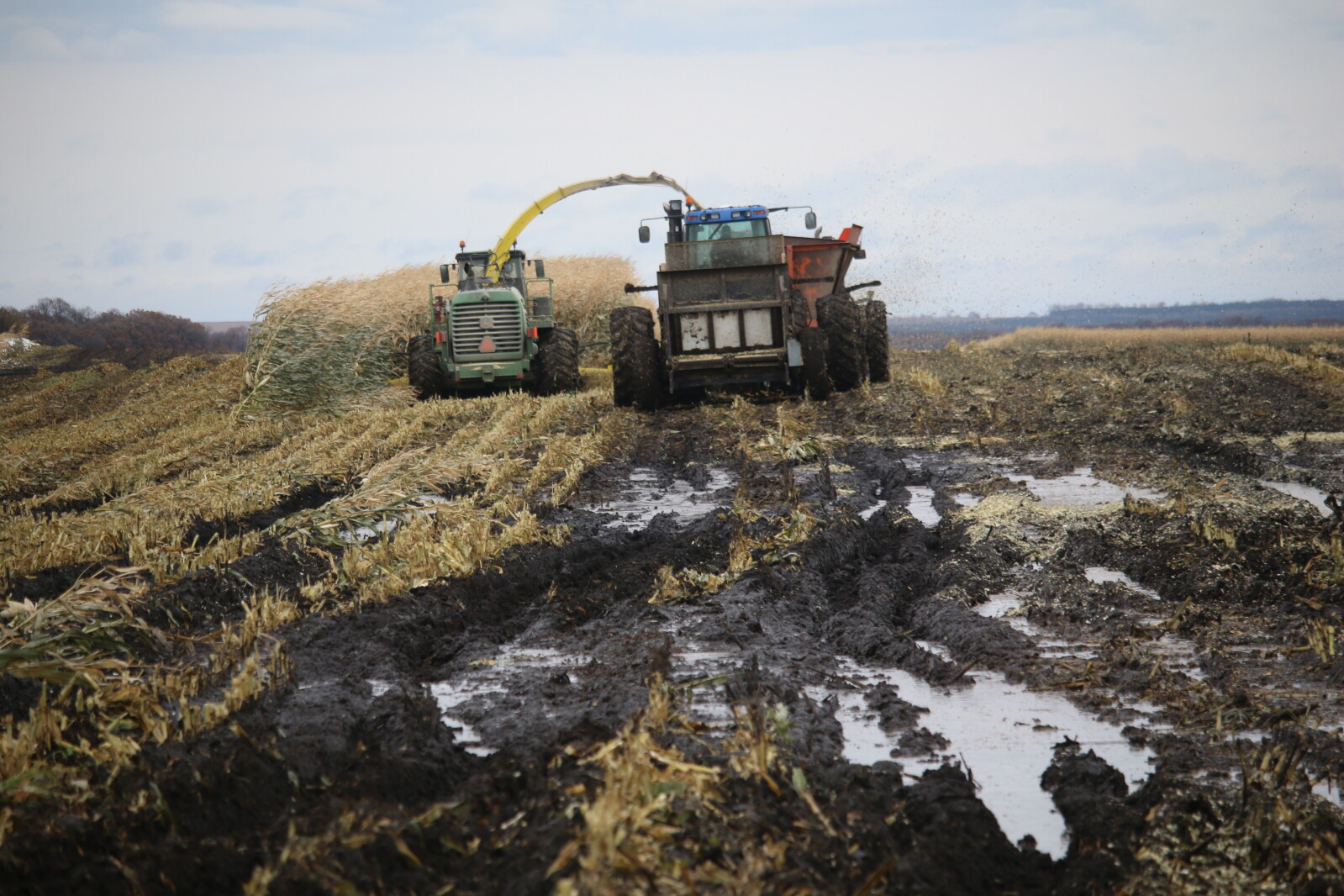
The director of USDA’s Midwest Climate Hub says farmers will need patience this fall as repeated rainfall continues to cause harvest delays.
Dennis Todey indicates, “What has happened now is going to affect us from a soils and harvest perspective for several weeks, if not a couple months at this point.”
He says a stationary weather boundary has divided moisture conditions across the Corn Belt for much of the growing season.
“From eastern Nebraska, southeast South Dakota over to Ohio, they have seen heavy rain recently and several other times this growing season,” he says. “But outside that, areas to the north, Minnesota, Wisconsin, parts of Michigan, parts of Missouri, southern Illinois, and far southern Indiana have been drier.”
Todey says wet conditions have brought relief to some drought-stricken regions.
“Some of this heavier rainfall has been a benefit because it did fall in areas that were very dry soils, especially parts of the Central Plains, Southwest Iowa, up in Wisconsin, that helped out,” he explains. “It’s also helping out the Mississippi River.”
He says the slow pace of harvest is likely to show up in the next crop progress report.
“I expect to see little or no progress through that central corridor of the Corn Belt because of the repeated rainfalls and, even between the rainfalls, it’s just wet and cloudy, so you’re not able to dry out very well,” he says.
Todey says the forecast during the second week of October is expected to be the driest window for farmers.
EDITOR’S TAKE:
We reported on this same subject earlier this summer, however, this provides us with a much more refined and clearer analysis of the situation. Obviously, based on this latest information, some of the “corn belt” will face some very wet conditions with limited opportunity to harvest their crops. The next crop report from USDA will require close attention. Should production of corn and soybeans be significantly lower than originally projected, it could push prices higher.
This type of information is critical to both crop and livestock producers. Higher crop prices might be a benefit to some of the crop producers who are able to harvest in a timely manner. On the other hand, those higher prices could raise feed prices and negatively impact livestock margins.
For the time being, keep advertising your inventory on AgTruckTrader.com®. AgTT is the place where serious ag buyers go to find a CAD dealer and to locate that desired truck or SUV. The leads from AgTT are much better than those you would typically find on any other site.