


Lawmakers from both sides of the aisle are joining farmers and ranchers in calling for the...
U.S. Port Strike Could Affect Ag Shipping
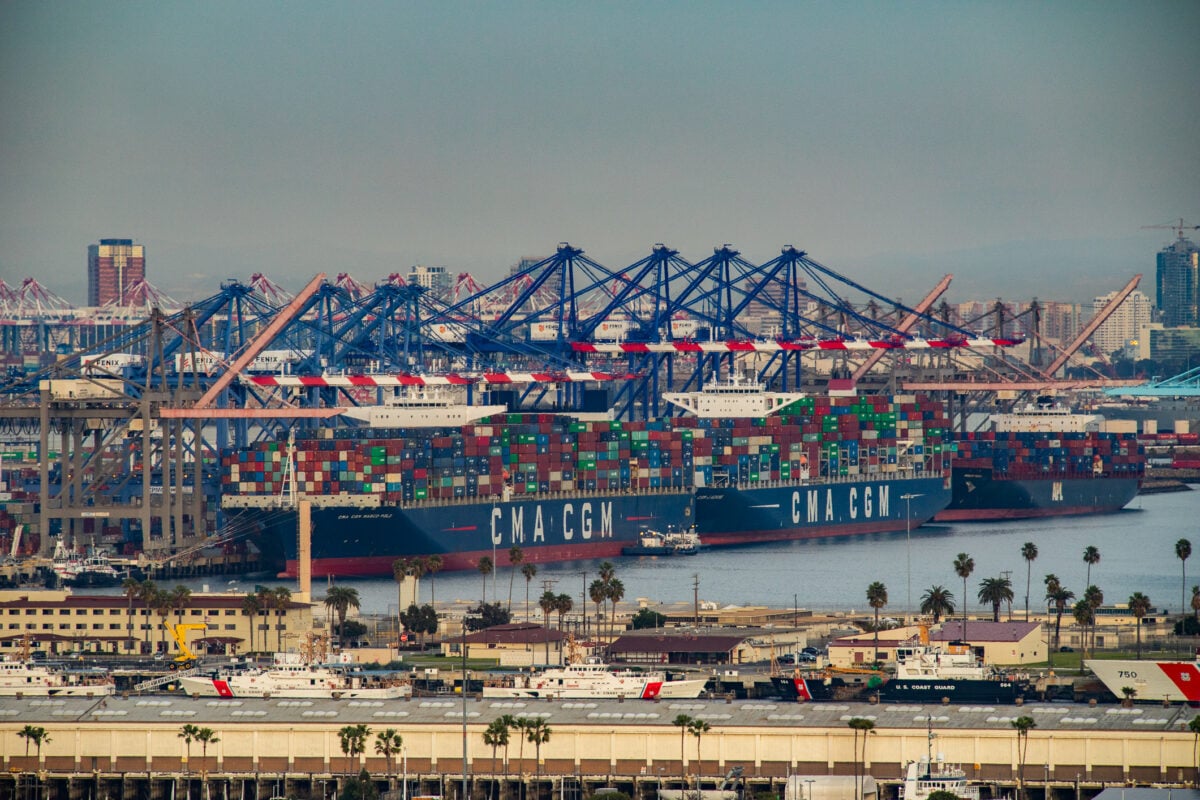
The Financial Times’ Taylor Nicole Rogers reported recently that “businesses are bracing for a strike at three dozen U.S. ports that could upend supply chains and raise prices just weeks before election day.”
“The International Longshoremen’s Association says its 25,000 members will walk off the job if the union does not come to a new agreement with the U.S. Maritime Alliance, which represents carriers and marine terminal operators, before their contract expires on September 30,” Rogers reported. The contract covers all ports between Maine and Texas, including New York, Savannah, Houston, Miami, and New Orleans. They receive 41% of the country’s containerized port volume and their closure would have a devastating impact on the U.S. economy, a coalition of 177 trade groups warned.
What would happen to ag shipping?
AgWeb’s Jim Wiesemeyer reported that a potential dock workers’ strike October 1 on the East Coast and Gulf Coast would not significantly impact grain export facilities.
“So far, no formal negotiations have been held and none are scheduled. The strike would have limited impact on bulk grain exports, including corn and soybeans. Bulk grain export facilities would not be affected by the strike as these facilities typically operate with different labor arrangements, such as their own employees or different labor unions,” said Wiesemeyer. “While bulk grain exports would be largely unaffected, the strike would impact containerized agricultural exports: soybeans, soybean meal, and other agricultural products exported via containers would be affected.”
In 2023, container shipments of soybeans through East and Gulf Coast ports totaled around 100 million bushels, compared to nearly 1 billion bushels of bulk soybean exports from the Gulf, according to Wiesemeyer.
While grain export facilities may not be directly impacted, there could be indirect effects on grain producers: The strike would significantly impact exports of chilled or frozen meat, eggs, and other livestock products, which are primarily shipped in containers. Any harm to the U.S. livestock industry would indirectly affect soybean and grain farmers, as these industries are interconnected. East and Gulf Coast ports accounted for 44% of U.S. waterborne pork exports and 29% of waterborne beef exports in the first half of this year. New York/New Jersey, Wilmington, and Charleston were the largest East/Gulf ports for pork exports and Houston was largest for beef.
According to Agri-Pulse’s Noah Wicks, if containerized shipping at East and Gulf Coast ports were to stop, agricultural shippers would have two options: find places to safely store farm products or reroute them to ports along the east coast. Both come with costs, said Agriculture Transportation Coalition Director Peter Friedmann.
“‘It’s never smooth, said Friedmann. “It’s always painful, it’s always expensive, it’s always disruptive to move agriculture from one port to another.”
U.S. Meat Export Federation Vice President for Communications Joe Schuele said some meat exporters are preparing for a strike by rerouting products to West Coast ports, but sending an influx of products through these ports could create congestion.
Why is there potential for a strike?
NBC News’ Kyla Guilfoil reported that “the International Longshoremen’s Association (ILA), the largest union of maritime workers in North America, has vocalized plans to go on strike at all of its Atlantic and Gulf Coast ports October 1 if a new contract agreement can’t be reached with the United States Maritime Alliance (USMX). The union is arguing for better wages and continued protections against automation and new technology in its terminals.”
“The ILA has argued that the USMX is denying workers fair contracts with adequate wage raises and proper benefits.” The union said its rank-and-file members will no longer accept contracts that include small wage increases of a dollar or less. It argued further that for more than three decades, ILA workers only saw annual wage increases of 2.02% per year on average — with some years having wage raise percentages of zero.
EDITOR’S TAKE:
Ok, here’s the bottom line – a port strike, coupled with a shorter than normal harvest season, a larger than normal crop requiring additional temporary storage, could be very harmful to agriculture. The inability to ship soybeans by container would cause additional stress on an already potential shortage of storage. Not being able to ship meat, eggs and other ag products would cause backlogs like we have not witnessed in some time. And who could possibly predict the impact it could have on the mid-term elections? We will keep our fingers crossed that any such strike can be averted.
In the meantime, continue to advertise and offer AgPack® to the ag customers in your area. It offers significant savings of nearly $50,000 in exclusive rebates and discounts on products used by farmers/ranchers. Things like tires, fertilizer, steel buildings, and clothing just to name a few. It is a fantastic win-win program.