The following data is according to USDA’s Crop Progress report for the week ending September 8.
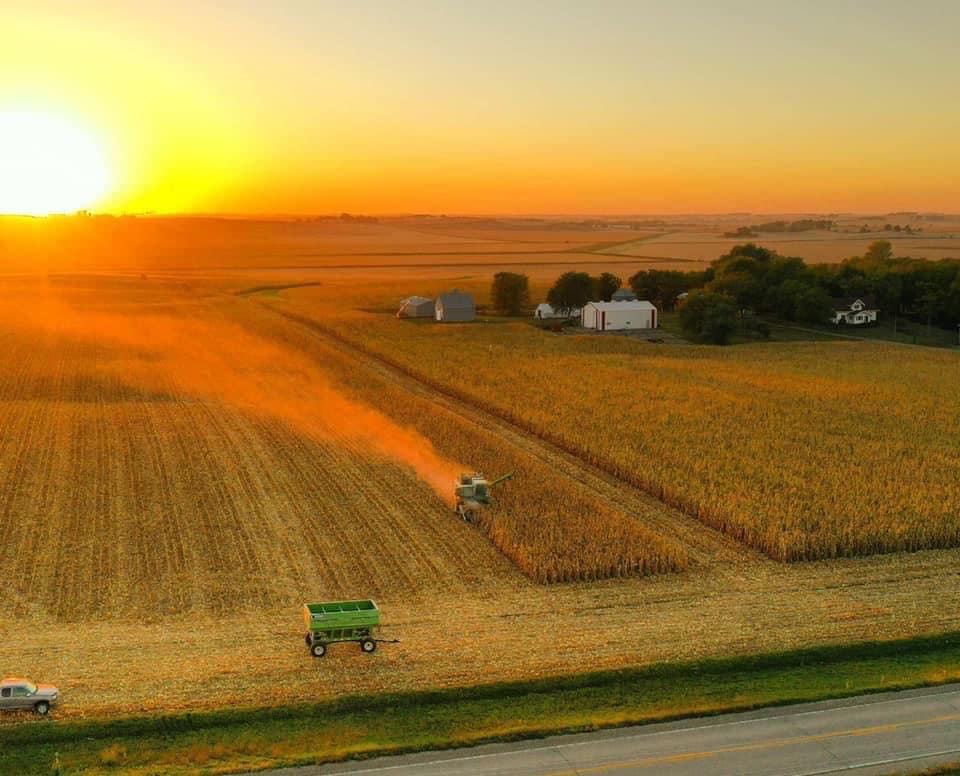
Strong Harvest in Brazil Could Increase Global Corn Competition
A market advisor says dry weather in Brazil hasn’t had a significant impact on the country’s expected record corn crop.
“It wasn’t a perfect year by any means, but it wasn’t bad,” she says. Naomi Blohm with Total Farm Marketing says Brazil is entering harvest, which could ramp up global competition for U.S. crops.
“They’re actually just starting to harvest some of that safrinha corn,” she says. “It will be ready to export in August. This is when Brazil typically becomes a larger competitor than the United States. We’ll want to be watching to see if China ramps up purchases of South American corn.”
But she says all eyes remain on the weather.
“Global ending stocks of corn are just starting to edge lower because the demand has been so good,” Blohm says. “If the United States has a weather issue this summer, or if Brazil has any weather issues in the coming year, corn prices for 26-27 could start to improve. If realized, this would be Brazil’s second largest corn crop on record.”
EDITOR’S TAKE:
Brazil is a very tough competitor to the U.S. when it comes to corn and soybeans. The largest advantage the U.S. currently has, however, is quality. How much of a premium that can command varies by year. But as the article points out, weather issues and the relative value of their currency compared to the U.S. can also play a significant role in determining which country wins the export battle. The best outcome would be lower global stockpiles with higher prices for farmers/ranchers in both countries.
Look for conditions in agriculture to improve in 2027 and beyond. With rising demand for corn, especially for ethanol production, prices will improve. That will mean more truck purchases going forward. In the interim, be sure you mention AgPack® to every ag customer who walks into your dealership. It offers nearly $50,000 in exclusive rebates and discounts for products typically used on the farm or ranch. This program is a benefit to the producer by helping them reduce operating costs.