There is a new number one on the list of the nation's leading landowners in the United States. If you don't recognize the name, Stan Kroenke, you are probably at least familiar with some of the sports teams he owns: the NBA's Denver Nuggets, the NFL's Los Angeles Rams, and the NHL's Colorado Avalanche.
The sports and entertainment mogul now owns 2.7 million acres of private land, consisting mostly of cattle ranches, according to the new Land Report 100 list.
Kroenke was number four on last year's list. But after completing the single-largest land purchase in the U.S. in more than a decade just last month, he has moved to the top spot.
The property that propelled him there includes more than 937,000 deeded acres of ranchland in New Mexico that previously belonged to the heirs of Teledyne founder Henry Singleton.
Eric O'Keefe, Editor of The Land Report, announced the new Land Report 100 list at this year's Land Investment Expo, held recently in Des Moines, Iowa. O'Keefe said Kroenke's collection of iconic ranches mirrors his penchant for acquiring sports teams.
"I believe it's a top-tier portfolio that mirrors the excellence - or vice versa - that you see at Kroenke Sports & Entertainment," O'Keefe said, describing the sports magnate's growing list of legacy properties.
EDITOR’S TAKE:
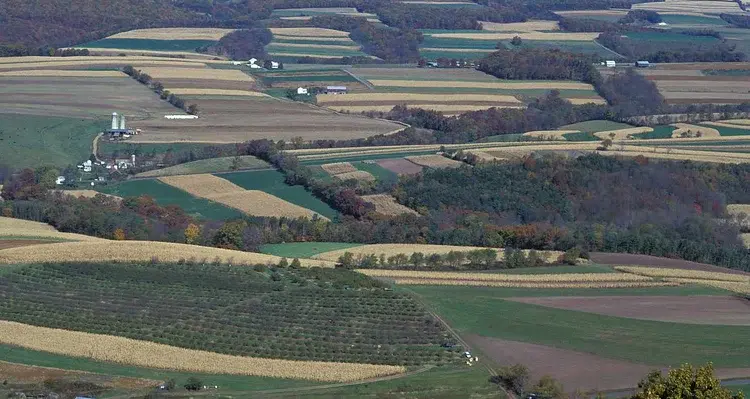
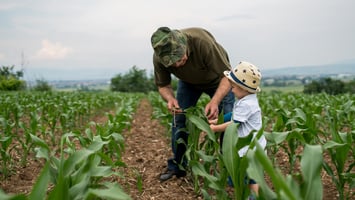
Despite being the largest single landowner in the U.S., Kroenke and the top 100 landowners control only about 40 million acres, or two percent of the country's total landmass. Most farmland is still owned by farm/ranch families. Family owned and operated farms control approximately 90% of U.S. farmland, with over 60% owned by the farm operators themselves. Non-operating farmland owners, who often have some connection to agriculture, own about 31% of farmland but typically rent it to operating farmers.
Should we be concerned about investors like Mr. Kroenke acquiring such large chunks of land? The answer is probably a qualified yes. As long as farmers and ranchers still have major ownership and control over the vast majority of farmland, we should be okay. Where is the tipping point? It could be nearing that now.
As we have stated many times in AIR articles, land is the biggest asset on the balance sheet of most farmers. With farmland values continuing to be stable or slightly up in recent years, farmers/ranchers, by and large, continue to be a good credit risk.