An extension agronomist says another year of reduced Arkansas rice acres could lead to permanent losses of ag infrastructure.
Jarrod Hardke with the University of Arkansas says a single year of lower planted acres is manageable, but two years can cause businesses to close permanently.
“Dryer locations, mills, support in terms of retail, crop consultants and ag aviation,” he says.
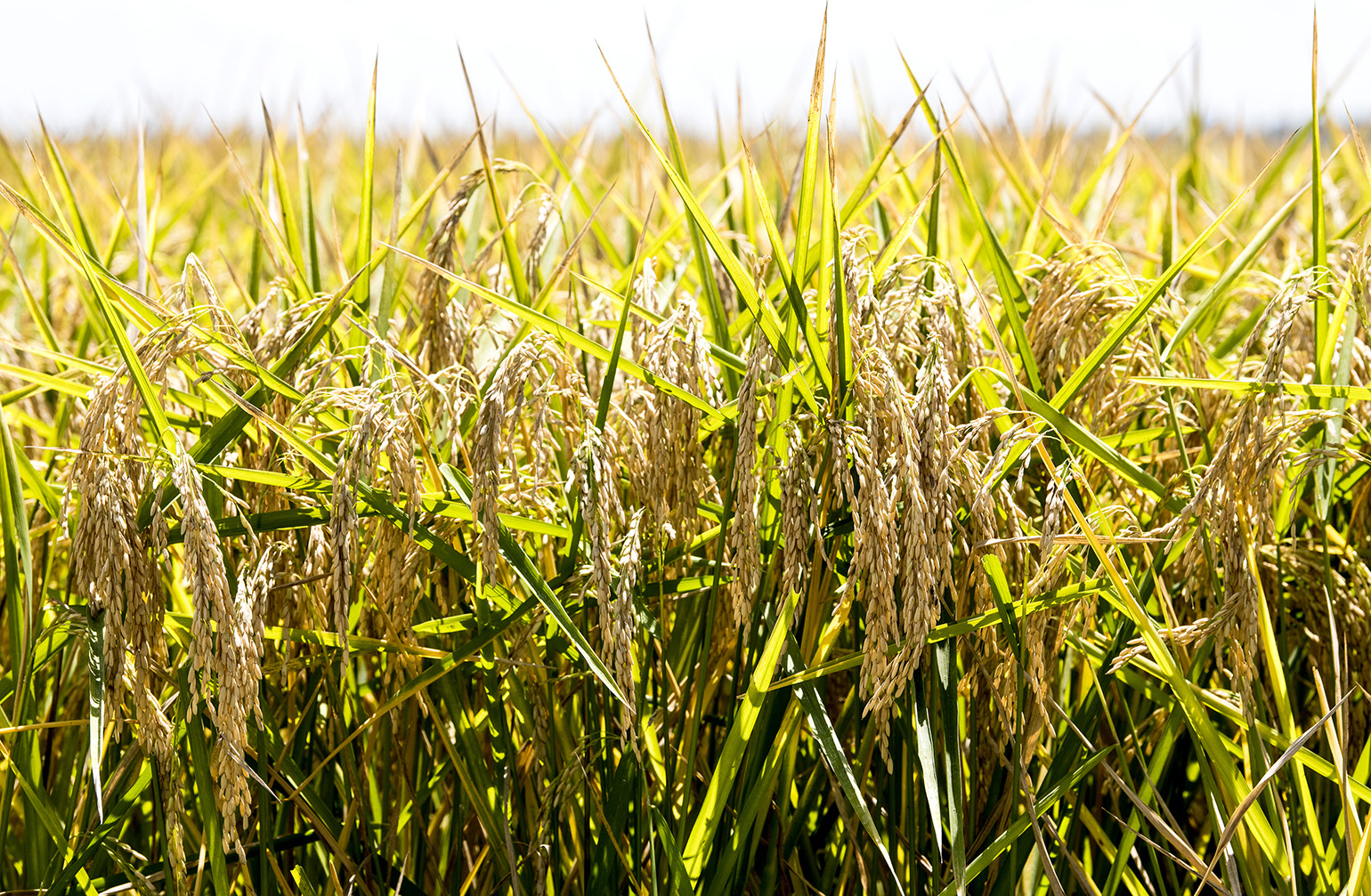
The USDA says Arkansas farmers planted 901,000 acres of rice this year, down from more than 1.25 million acres last year. It was the first time planted rice acreage fell below one million acres since the early 1980s.
Riceland Foods, the country’s largest farmer-owned rice cooperative, temporarily closed nine drying facilities this year in response.
“If there’s less acres next year, I don’t see the facilities coming back online for rice,” says Jeff Rutledge, a farmer in Jackson County. “They may shift priorities and the focus for what the drying facilities do, but it won’t be for rice.”
Rutledge says it wasn’t a profitable year to farm and, while rice prices have improved, many farmers likely won’t take the gamble again with rice.
“I bought diesel last year for $2.50 per gallon, and this year it was more than $5, pushing $6. In addition to fertilizer, it got up more than double of what it was last year. It makes thin margins very negative, very quickly.”
Rutledge also points to longer-term challenges for rice demand. He says the farm economic situation has become so difficult that he plans to leave farming.
“With the conditions the way they are, I just have gotten to the point where I was no longer willing to risk the multi-generations of labor and capital built by my family,” he says. “It was better to stop now and stop burning up equity.”
Hardke says the situation reminds him of what happened with the Arkansas cotton industry.
“When it went down, you saw a lot of cotton gins close for one year. They were able to sit idle for one year and in the areas where acres came back, at least somewhat, they opened back up. In the areas where the acres didn’t come back that was it. Closed, never to reopen.”
Hardke says farmers’ planting decisions next spring will help determine what happens, and there will be some hard conversations happening this winter.
EDITOR’S TAKE:
This is not simply a doom and gloom forecast, but an accurate picture of what happens if an industry slips into a down cycle. It becomes a self-fulfilling prophecy. We have seen it with other industries historically, industries like textiles, steel, autos, and the list goes on. And once the infrastructure is diminished or shut down completely it’s difficult, or in some instances, impossible to revive. That is a key argument for why we need to be protective of U.S. agriculture and the infrastructure it needs to keep it going.
Don’t let your customer base slide and become dormant or lost. Put the effort into ensuring your ag customers know you are there to serve their specialized needs. That your parts and service departments will go the extra mile to keep their trucks operating at peak performance, especially during their busiest times. Keep them informed about what you do to support agriculture and farmers in your area. Once you lose them it will be difficult to ever get them back!