

Last year, the American Farm Bureau Federation (AFBF) and National Pork Producers Council (NPPC)...
Cost Of ‘Everything’—Beginning with Groceries— Will Likely Rise as Diesel Hits $5 Per Gallon
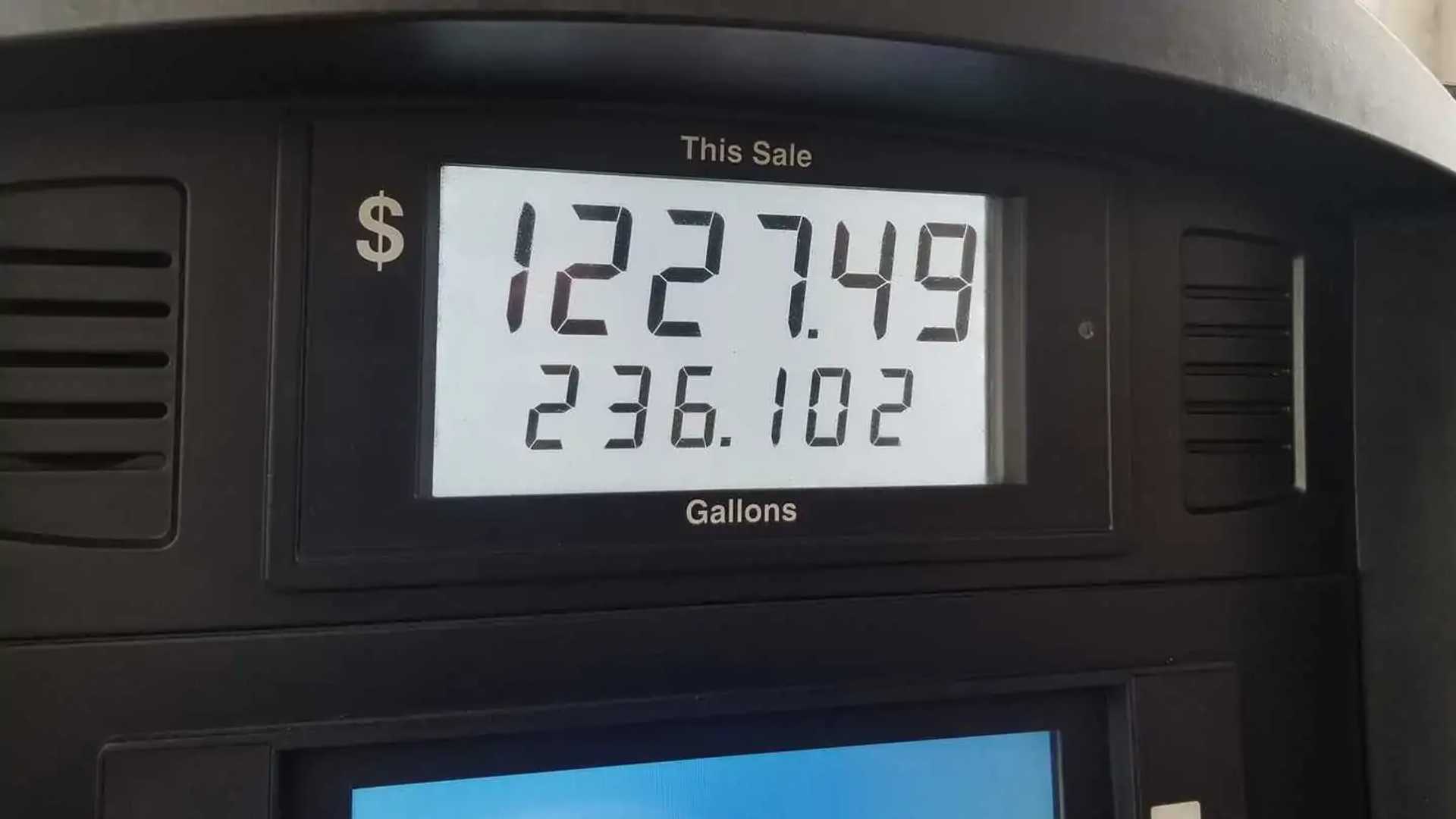
The price of diesel has spiked more than 36% in the last month to reach $5 per gallon recently. The rising cost of the fuel essential to farmers, shipping companies, construction workers and the retail sector could soon mean a spike in prices of other goods for the everyday consumer.
Key Facts
According to GasBuddy, the price for a gallon of diesel reached $5 per gallon. This is just the second time in U.S. history and first time since 2022 it has hit the benchmark.
According to AAA, the cost is up 7% from the recent $4.66 and up 36.7% before the U.S. and Israel began its attacks on Iran on February 28.
The rising cost of diesel, the primary fuel used in shipping, construction, agriculture and other industries, means higher operating expenses for major companies that could soon be passed on to consumers in the form of price hikes on retail goods, groceries, building costs and other commodities.
Matt McClain, petroleum analyst with GasBuddy, called the change in the price of diesel an "extraordinarily sharp increase in a very short amount of time," and warned of a trickle-down effect impacting the price of “everything.”
Both FedEx and UPS, the largest trucking companies in the U.S., have already bumped up fuel surcharge rates and implemented temporary fees for shipments to the Middle East from the U.S, with industry expert David Sullivan warning of "more price volatility and targeted lane fees tied to the conflict” in Iran.
Groceries are the next thing expected to rise in price, with farmers relying on diesel fuel to run agricultural equipment and ship food across the country. (Trucks ship 83% of all agricultural products and 92% of dairy, fruit, vegetables and nuts in the U.S., according to the USDA).
Construction equipment, like bulldozers, excavators and dump trucks, also run on diesel, and most building materials are transported on diesel trucks, which could push up the prices of housing, infrastructure and renovations.
Crucial Quote
"The costs of all products will rise," energy economist Philip Verleger told Reuters.
Key Background
Spikes in the cost of diesel have led to price hikes in retail goods in the past. When crude oil surged to roughly $147 per barrel in the mid-2000s, global food prices, shipping rates, airfare and retail goods followed. Wheat, corn and rice prices spiked, leading to food riots in dozens of countries and a world food price crisis that lasted for roughly two years. U.S. trucking companies added large fuel surcharges, which were passed on to customers in the form of store prices, and several large firms—like Arrow Trucking and Jevic Transportation—went bankrupt. A similar phenomena happened following the COVID-19 pandemic and was then exacerbated by the war in Ukraine, when rapidly rising fuel and fertilizer costs led to another major surge in world food prices. The United Nations World Food Program this month warned surging fuel prices driven by the war in the Middle East could push more people "towards severe food insecurity" in the coming months.
Diesel was in shorter supply than regular gas before the Iran conflict began, thanks in part to a freezing Northeast winter that drove up supply for heating oil, Tom Kloza, an independent oil analyst and an advisor to global oil company Gulf Oil, told CNN. Because diesel and heating oil are both distillates made from the same part of crude oil, they compete for the same supply and when demand rises for one of them, it impacts the other. Jet fuel belongs to the same category, and experts have also warned of an increase in the price of airfare.
Big Number
$300 million. That’s how much more on gasoline Americans are spending per day than they did 30 days ago, according to GasBuddy’s Patrick De Hann.
EDITOR’S TAKE:
Although we are told that the impact of the war with Iran should be short lived, the economic circumstances in the short run can still be significant and may have a longer tail than anticipated. Prices tend to be sticky -- once they rise, they are slower to retreat. Inflation and reduced spending power could have political implications as well. Right now, we have a lot of conjectures, but only when we look back with 20/20 vision can we know the entire story and impact of these higher prices for gas and diesel.
As a CAD member, you can promote AgPack® as a way for your farm/ranch customers to lower their operating costs. Also, just like in the 1970 energy crisis, perhaps now is a great time to offer some monetary incentive towards the purchase of gasoline or diesel at a local station. It worked then – it can work again!