

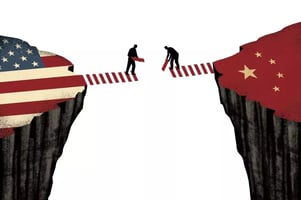
Although China purchased a record amount of U.S. farm exports over the past two years, it wasn’t...
Brazil Surpasses U.S. as the Top Global Beef Producer
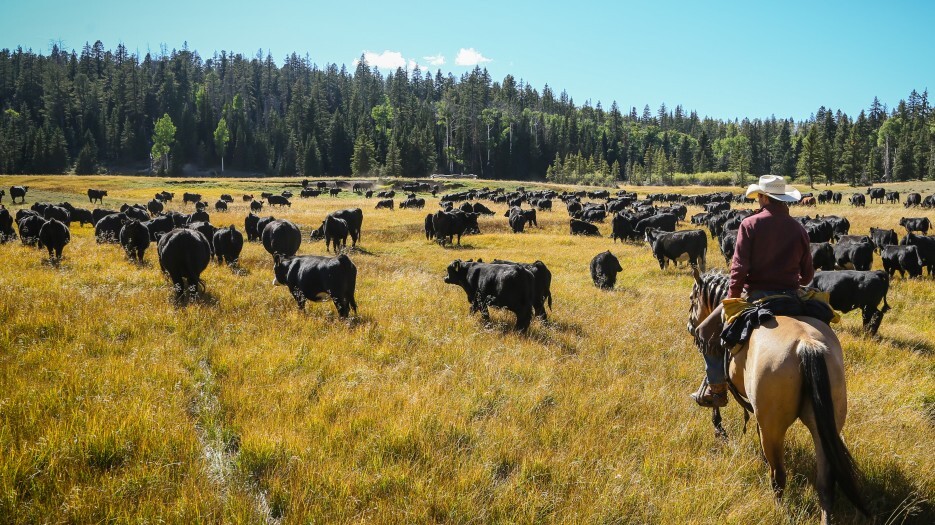
Reuters' Ana Mano and Peter Hobson reported recently that "Brazil surpassed the U.S. as the world's top beef producer last year, according to market estimates, after the South American country beat output forecasts by hundreds of thousands of tons, easing a global supply squeeze and helping limit a surge in meat prices."
"Brazil was already the biggest beef exporter, shipping meat worth almost $17 billion in 2025, according to government trade data," Mano and Hobson reported. "Beef production numbers are not due until February, but analysts have recently raised their estimates. Brazilian farmers have been sending more animals to slaughter, cashing in on high export demand from countries, including China and the U.S., where low supply has pushed beef prices to record levels."
Mauricio Nogueira, head of livestock consultancy Athenagro, said “Brazilian beef production far surpassed his forecast in 2025. Output grew 4% for the year, where he had predicted a 2.7% drop. "The increase of around 800,000 tons was about equal to total annual exports of Argentina, the world's No. 5 beef shipper."
"Rabobank, which had expected Brazil's beef production to decline in 2025, now sees 0.5% growth to 12.5 million tons carcass weight equivalent. The U.S. Department of Agriculture in December raised its estimate for Brazilian beef output by 450,000 tons to 12.35 million tons," Mano and Hobson reported. "If the official numbers confirm market estimates, 2025 will be the first year that Brazil's output will have surpassed U.S. production, which fell 3.9% to 11.8 million tons in 2025, according to USDA estimates, following years of drought."
Brazil's ag expansion is contributing to increased beef production. AgWeb's Tyne Morgan reported that for many in the industry, Brazil's ascent is the result of years of aggressive agricultural expansion. Mike North, of Ever.ag, notes the foundation of Brazil's livestock success is its massive grain production capacity.
"Livestock industries depend on the availability of feed, and let's look at the track record,” North explains. "They're continuing to grow bigger and bigger crops each year. As we look at their exports, yes, they've become a growing partner to China, especially in our absence, but they have enough there to also feed a growing livestock industry."
North points out Brazil's 'double-crop' system, planting soybeans followed immediately by a second crop of corn, has created a consistent, high-volume feed supply that the U.S. is finding harder to compete with. However, he warns that volume isn't everything. Brazil still faces hurdles in global perception. “It'll be an interesting thing to see what they do as those cattle leave the feedlot, go to processing, and whether or not they can meet all the phytosanitary concerns that the world demands as that meat leaves the country,” he explains.
U.S. Beef Prices Continue to Rise
Bloomberg's Ilena Peng reported that "consumer beef prices reached a fresh record in December, just as the U.S.'s new dietary guidelines are set to boost demand for the protein. Consumers on average paid $6.821 for a pound of ground beef in December, up 16% from a year ago and up slightly from November prices, according to the U.S. Bureau of Labor (BLS) statistics."
"Elevated beef prices have been a contributor to higher overall grocery costs, with the food index rising 3.1% over the last year, BLS data shows. That outpaced growth in the overall consumer index, which came in at 2.7%, in line with expectations," Peng reported. "Core inflation, which excludes food and energy, rose less than expected in December compared to the prior month."
"President Donald Trump has fixated on expensive beef amid growing concerns about affordability, and has tried to tamp down prices by boosting imports from South America. Yet one of the chief causes of beef inflation -- a shrinking U.S. cattle herd -- is seen persisting into 2027," Peng reported. "Beef demand has stayed resilient despite the high prices, and the Trump administration's overhaul of dietary guidelines that puts proteins at the top of the food pyramid will likely encourage Americans to buy more meat."
EDITOR’S TAKE:
Brazil has been expanding their agricultural footprint for decades. Knocking out rain forest and recovering land for soybean production was the first step. Then corn acreage was expanded and now beef production. They have invested heavily in infrastructure, such as roads, bridges, rail and port facilities in order to get product from far reaches of the country to export facilities.
This article does an excellent job of highlighting just how they came to be dominant in beef production. It also points out the conundrum of rising demand in the U.S. coupled with shrinking domestic supplies. This plays into the hands of Brazilian producers. It is also clear that some of our trading partners, like China, are shifting their purchasing from the U.S. to Brazil as the latter has achieved significant supplier status.
Does this mean U.S. agriculture is being pushed out of the picture? Absolutely not. Brazil still faces headwinds with quality concerns. They also continue to struggle with trying to be the most efficient/low-cost supplier. Environmental issues plague Brazilian producers as well.
Our farmers/ranchers are still strong competitors. They will use technology to stay ahead of the game. Continuously seeking ways to lower production costs is in their DNA as well. That’s why you have a great tool to help them lower operating costs – it’s called “AgPack®”! Savings of up to nearly $50,000 through exclusive rebates and discounts on products they can use on the farm or ranch helps them, but also it helps you make the sale.